Chemical analysis of Greek zeolite – N. Lygeros | Zeolife.gr
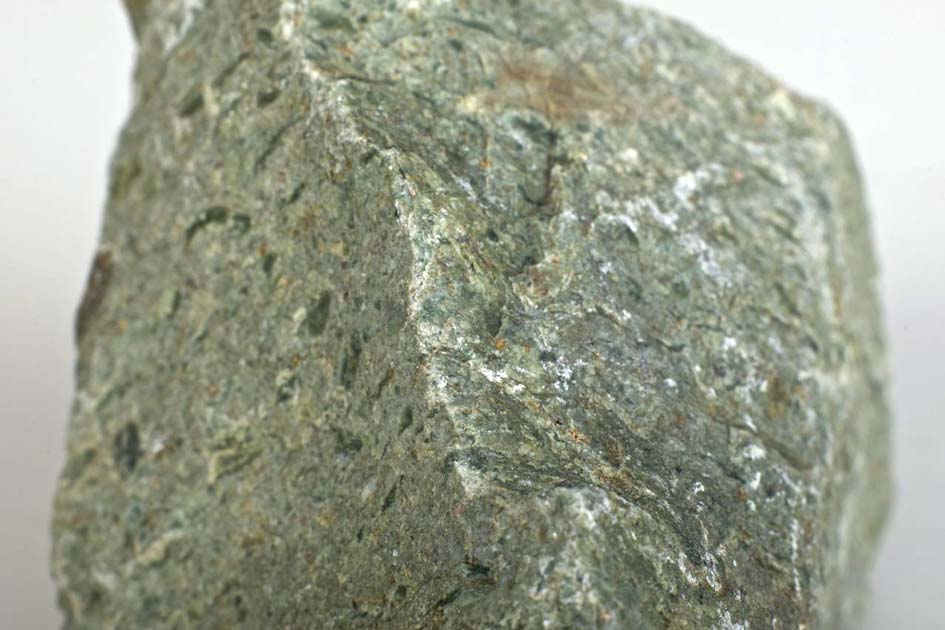
As we are now entering a new phase for Greek zeolite, it is good to have technical data rather than just estimates, as we can carry out XRD and EDX measurements that enable us to avoid generalisations. First and foremost, we should note that the zeolite variety we are examining within the zeolitic tuff is clinoptilolite, and its formula is as follows: (Na,K,Ca)₂₋₃Al₃(Al,Si)₂Si₁₃O₃₆·12H₂O. Zeolites generally contain silicon (Si) and aluminium (Al). Clinoptilolite, however, is additionally characterised by the following elements: Na, K, Ca. Consequently, these are present in the chemical analysis and do not, of course, constitute elements released by the zeolite, as they form part of its very structure. As part of the research carried out for the Master’s programme at the Technological Educational Institute of Kavala, the following summary results were obtained from the measurements taken by D. Katsios in the Kokkalo area, which is of particular interest to us in relation to the extraction of Greek zeolite. We can see that the fundamental elements of clinoptilolite are present: Oxygen (78.45%), Silicon (13.26%), Aluminium (3.34%), Potassium (1.03%), Calcium (0.67%), Sodium (0.25%). As for the other elements, we have: Carbon (1.95%), Magnesium (0.34%), Copper (0.20%), Iron (0.19%), Zinc (0.13 per cent) and less than 0.1 per cent (Rh, Ti, Ta, S). These measurements were taken using EDX.