A vegetable garden with traditional seeds, using zeolite and diatomaceous earth, in Avanta, Alexandroupoli [Photos]
A vegetable garden with traditional seeds, using zeolite and diatomaceous earth, in Avanta, Alexandroupoli. Organic cultivation without pesticides or fertilisers, using only natural minerals!
In the photos below, we can see zeolite and diatomaceous earth
being applied to a vegetable garden. In this vegetable garden, only traditional seeds of tomatoes, peppers and aubergines have been used, grown entirely organically.
In this instance, a total of 450 kg of fine gravel
has also been incorporated into the soil. Organic manure has been used as fertiliser.
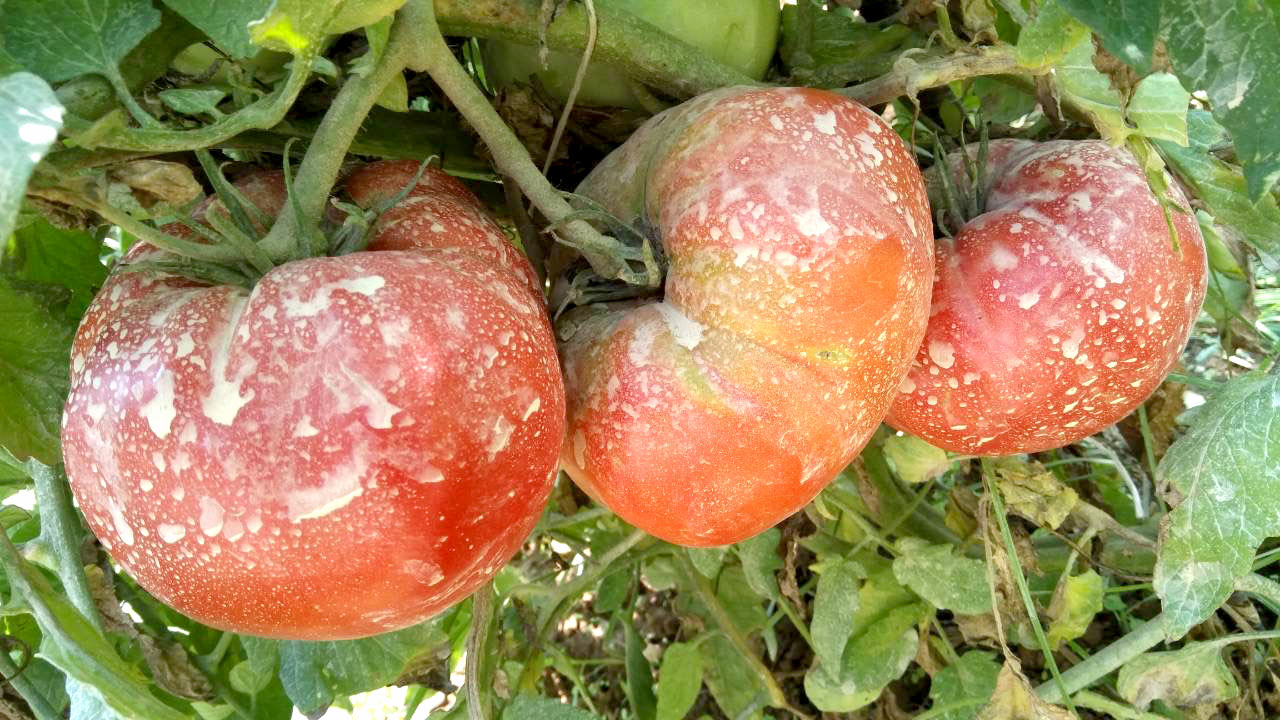
Zeolite
and diatomaceous earth
in tomatoes
zeolite in the vegetable garden
The application of zeolite
allows for optimal management and facilitates the crop’s interaction with the environment. This occurs in the soil through incorporation.
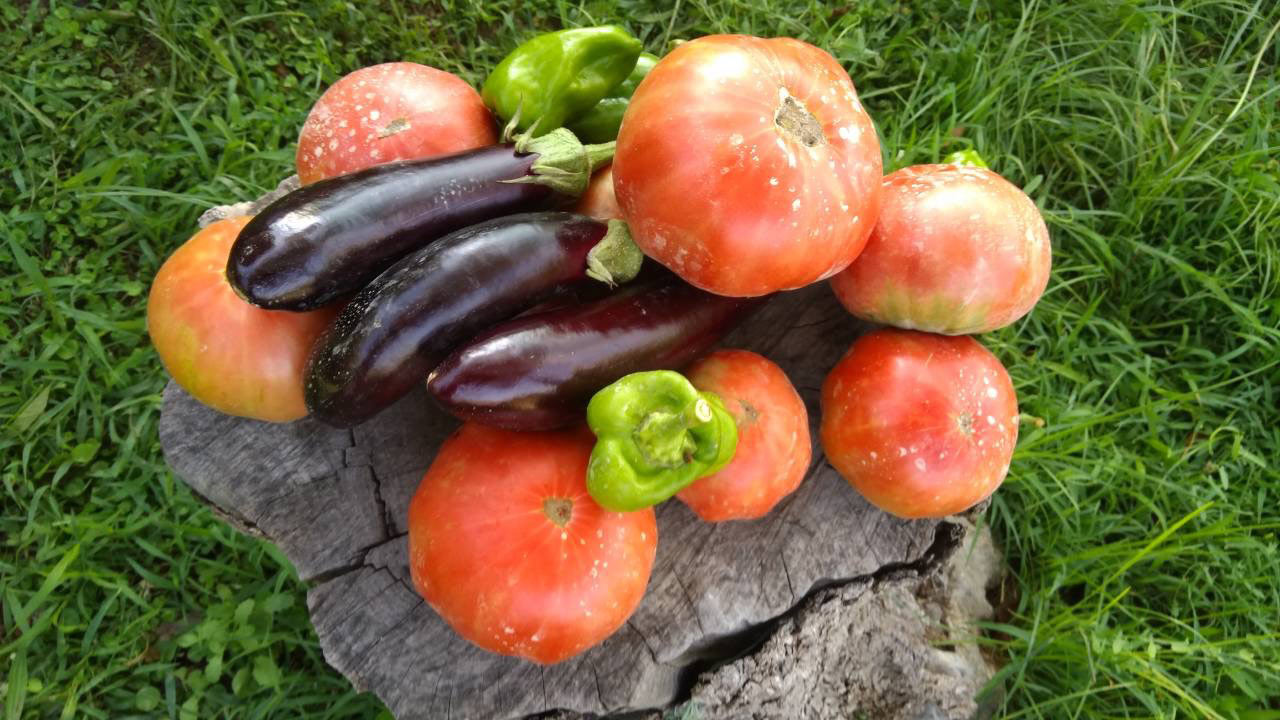
diatomaceous earth in the vegetable garden
diatomaceous earth protects our vegetable garden from all crawling insects and mites, following on from the ‘repellent’ effect of zeolite. It achieves this through its glassy composition, as it accumulates on their legs and abdomen and kills them mechanically. In this particular vegetable garden, there had been a severe problem with Pentatomidae (commonly known as stink bugs) in previous years, which has now been brought under control.
Pentatomids cause curling, tearing and drying out of vegetable leaves. Young plants that are infested stop growing and remain stunted. They also attack vegetable fruits, causing necrosis and discolouration. As a result, the fruits do not ripen properly and are unfit for consumption. A characteristic example is ‘blight’ on tomatoes, where yellow spots appear on the outer surface of the fruit and corky areas develop inside it.
See all the photographs below.