Zeolite in the biological treatment plant at Lagkada, Thessaloniki [Video]
We recently visited the Lagkada wastewater treatment plant in Thessaloniki, where natural zeolite is used to treat sewage sludge.
The sewage sludge from the treatment plant, after being treated with natural zeolite and other materials, is transformed into an excellent soil improver, which is made available to local farmers for agricultural use.
See the video and photos below:
Significant global literature
There are countless studies on the use of natural zeolite in wastewater treatment across the globe. In recent years, its use has also begun in various regions of Greece, mainly in large urban centres, where the problem of sewage sludge management is on a larger scale.
The most recent studies on environmental remediation in Greece were carried out by the University of Patras. These studies investigated the effectiveness of natural zeolite in removing ammonium ions from synthetic wastewater and from whey. (1)(2)
Subsequently, the use of this zeolite as a fertiliser in wheat cultivation was investigated, given that zeolite can release bound nitrogen into the soil.

Around two years ago, researchers at the Agricultural University of Tirana, in collaboration with researchers from the Agricultural University of Udine in Italy, discovered that simply adding natural zeolite can fully remediate soil contaminated with heavy metals. (3)
This research study focused on the growth of ryegrass (Lolium multiflorum L.), based on the addition of zeolite to soils contaminated with heavy metals.
The researchers observed that, when zeolite was applied at a rate of 10 per cent, plant height increased significantly (by 25.2 per cent) at the second harvest. They also observed that the plants’ growth rate increased in proportion to the percentage of natural zeolite in the soil. A simultaneous and proportional increase was also observed in the root-to- shoot ratio of the plants, thus demonstrating that zeolite can act as an excellent growth regulator for crops in soil contaminated with heavy metals.
The aim of integrated management
The aim of this management is usually the on-site and integrated conversion of sewage sludge from biological treatment plants into a final soil-improving product. Raw sewage sludge causes odours and environmental pollution.
Integrated management at the Lagkada biological treatment plant is carried out by the Ecological Wastewater Management company. The company is active in the design, construction, management and operation of environmental protection projects in Greece, in both the public and private sectors.
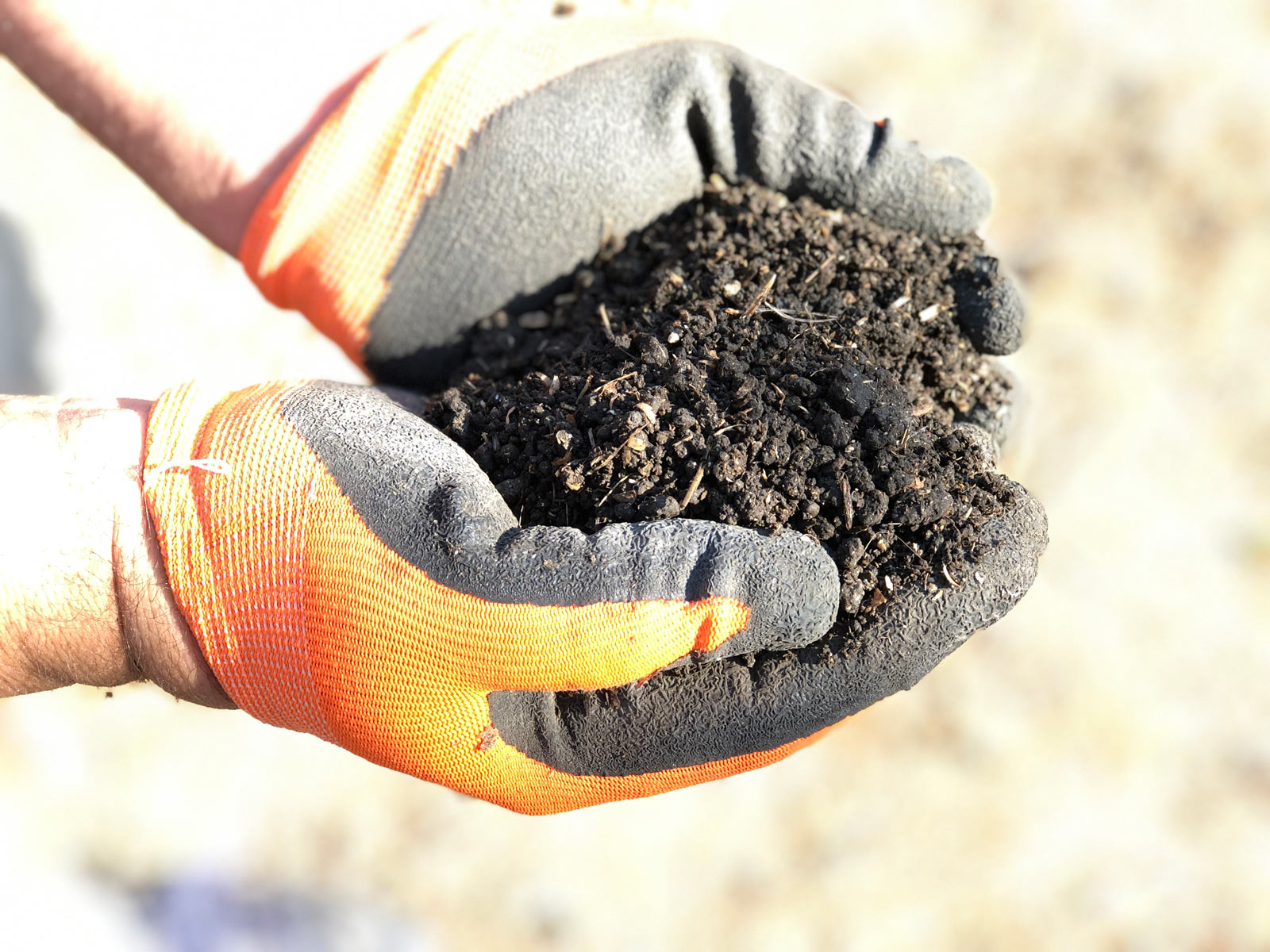
State-of-the-art biological treatment technologies are being applied to process sewage sludge originating from domestic or industrial sources. The company’s philosophy is to offer its customers not just products, but solutions and added value in the way they operate on a daily basis. In this way, their specific needs are met and their smooth and efficient operation is promoted. It also offers consultancy services and high-quality products, backed by appropriate support from its team of specialist engineers.
Please follow the links below on our website to read the aforementioned studies.
- Zeolites in wheat, following the treatment of secondary cheese whey. [Study]
- zeolite as a means of ammonium recovery and secondary treatment of cheese whey. [Study]
- zeolite improves crop growth in soil contaminated by industrial waste and heavy metals
Follow this link on our website to read all our publications on zeolite in the environment.
Click on this link to open the Ecological Wastewater Management website in a new tab.