
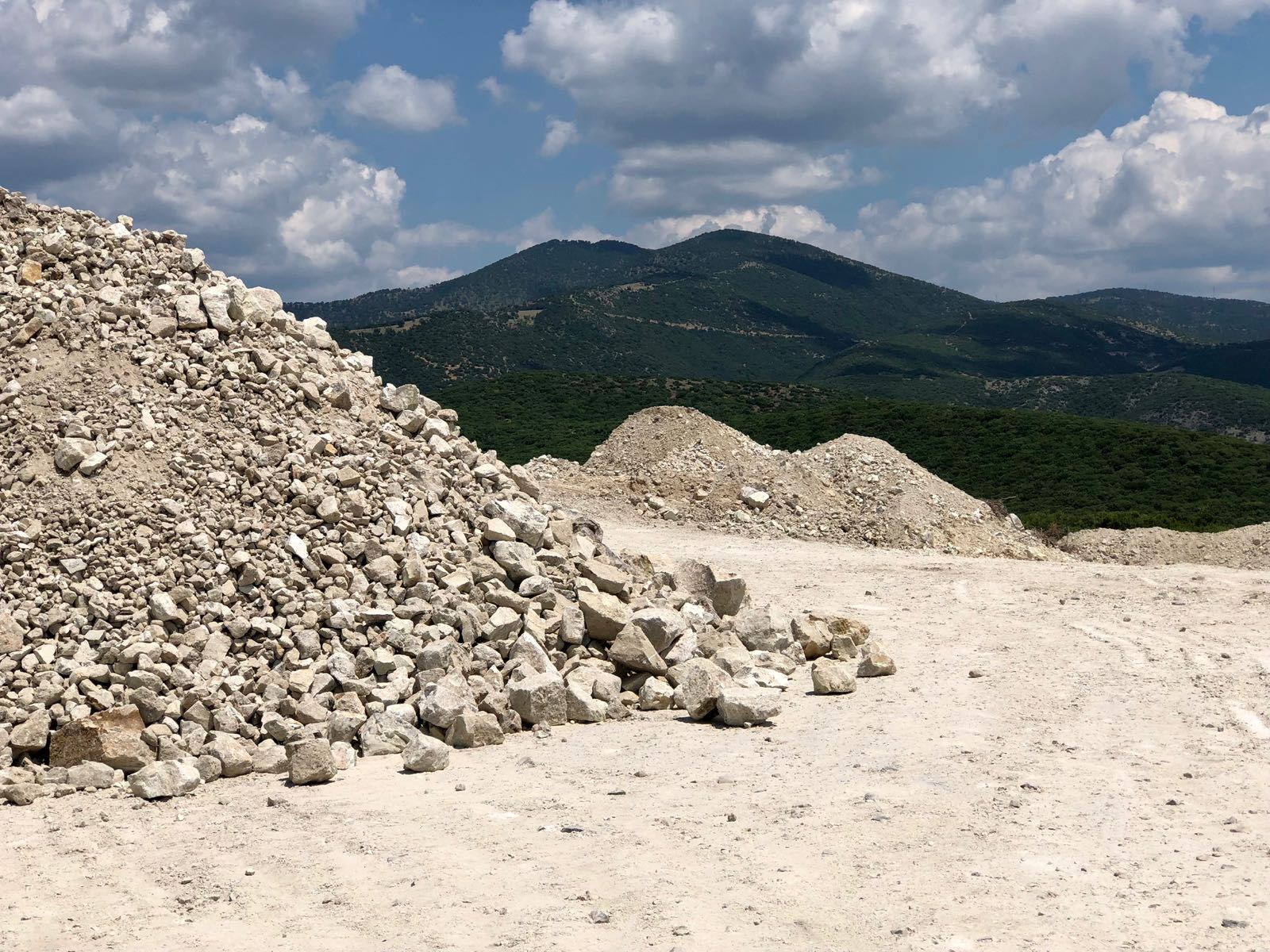
General information about zeolite and Greek zeolite
The term zeolite was coined in 1756 by the Swedish mineralogist Axel Fredrik Cronstedt, who observed that during the rapid heating of the mineral stilbite, large amounts of steam are produced from the water, which is absorbed by the mineral. Based on this fact, he named this mineral zeolite, from the Greek word zeō, meaning to boil and stone. Zeolites are aluminosilicate members of a family of microporous solids known as molecular sieves. To date, more than 45 species of natural zeolites have been identified and described. However, only seven of these, namely the minerals mordenite, clinoptilolite, ferriarite, habazite, erionite, phyllite and analkymite, occur in sufficient quantities to be considered exploitable materials. For nutritional, pharmaceutical, medicinal, medical, environmental, aquatic, agricultural and industrial uses, the zeolite type-HEU (clinoptilolite-eulandite) content is required to be greater than 75%.
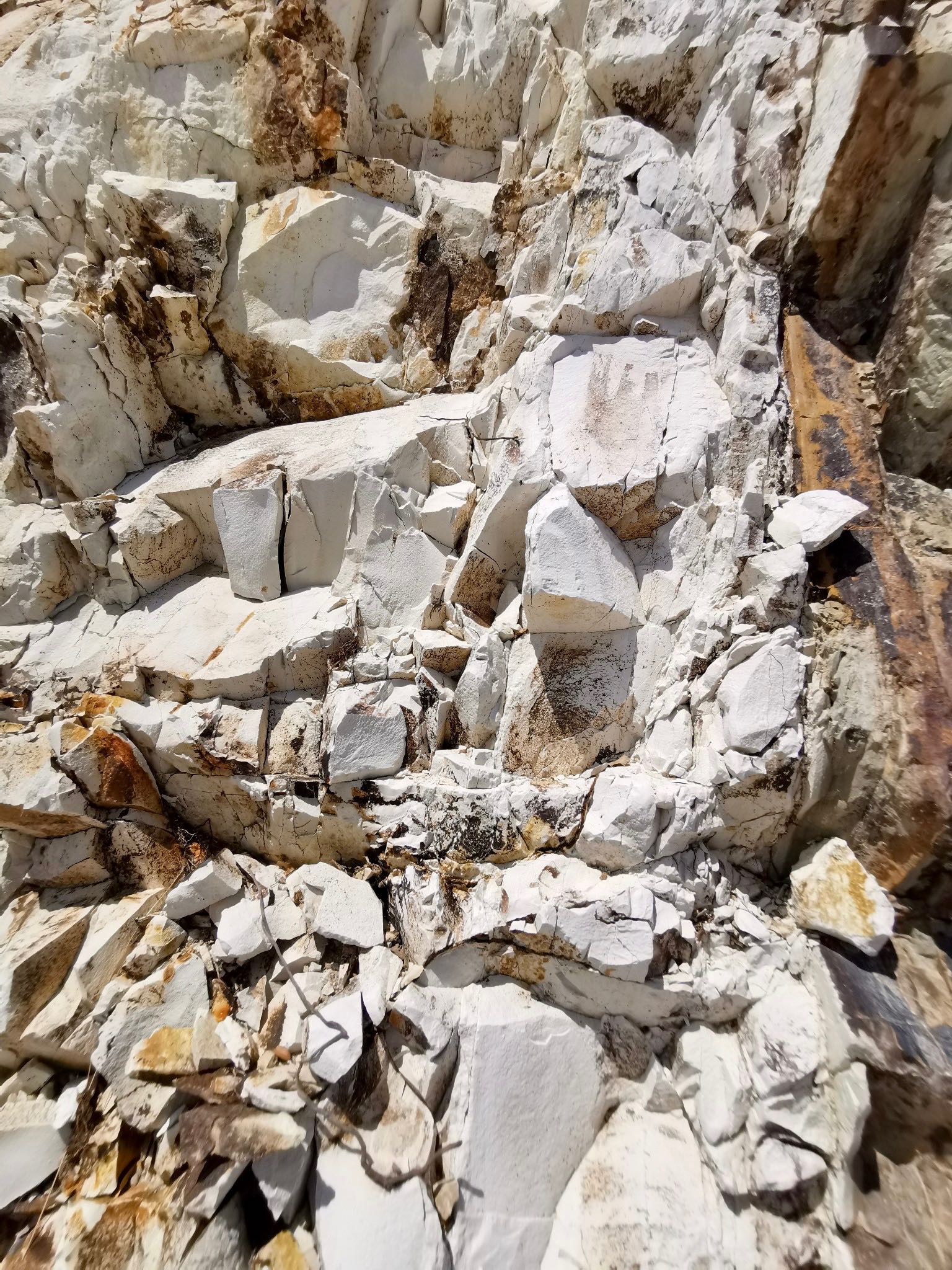
Zeolites occur as geological reserves around the world, especially in rocks that partially or in their entirety have volcanic origins. This explains the frequent presence in geographical areas with volcanic activity. They derive from the hydrothermal alteration of various aluminosilicate minerals such as feldspar and feldspathoid covering mostly small cavities, cracks and joints basaltic lavas and less commonly granites and gneisses.
These are mainly deposits formed by the transformation of pyroclastic rocks in open hydrological systems.
The action of zeolite is protection for the innocent, which not only preserves the substance but enriches it, because its mission is the freedom of life. So if you find out about it, spread it around as if you were the sower, so that everyone will know about the project.
-Nikos Lygeros
Greek zeolite
The geographical distribution of natural zeolite reserves in Greek area is mainly located in many regions of Thrace.
In 30 sites in the prefecture of Evros, 4 species of zeolites were found. In 4 of the 10 locations of the Municipality of Nea Orestiada (Petrotta – Pentalofos) natural zeolite was found with a quality ranging from 76% to 89%.
In the prefecture of Rodopi and specifically in the location “Skaloma” of the Municipality of Arrianon, a natural zeolite – clinoptilolite of excellent quality was found, whose availability in the Greek market began in September 2021.

The economic and investment interest is mainly focused on the locations of Rema Drista and Kokkalo of Petrotes in the Municipality of Nea Orestiada, as well as the location “Skaloma” of the Municipality of Arrianon in the Rhodope region, where high quality natural zeolite deposits, the so-called Greek Natural Zeolite (ELFYZE) have been identified. ELFYZE, mineralogically contains up to 89% HEU-type zeolite (clinoptilolite-ewlandite), 3% mica + clay minerals, 4% feldspar, 2% quartz and 2% chrystallite.
Greek zeolite can be purchased from this link, through our online store.
Due to its molecular structure, it has a remarkably high ion exchange capacity (200 – 400 meq/100g) and regulates the PH of water and soils towards neutral. It acts as a molecular filter that binds heavy metals, toxins, free radicals, as it is one of the few negatively charged minerals in nature. Furthermore it has the ability to absorb water and other nutritive substances for living organisms, which then releases in a particular rate depending on the environmental conditions. Because of this ability could be likened to a “sponge stone”.
Zeolite has many important applications in many fields, such as agriculture, livestock, fish farming, health, construction, hydrocarbon industry, nuclear radiation protection and many others. More specifically, as far as agriculture is concerned, zeolite can be incorporated into the soil in the form of gravel depending on the type of crop.
💡 Πόσο ζεόλιθο χρειάζεσαι;
Μην το μαντεύεις — υπολόγισέ το ακριβώς. Ο δωρεάν Οδηγός μας σου προτείνει το σωστό προϊόν (από 9 διαθέσιμα), την ακριβή ποσότητα ανά καλλιέργεια και τύπο εδάφους, με αυτόματη εφαρμογή έκπτωσης χονδρικής.
🧮 Υπολόγισε τώρα →