Solar Cooling System Preserves Food Without Electricity
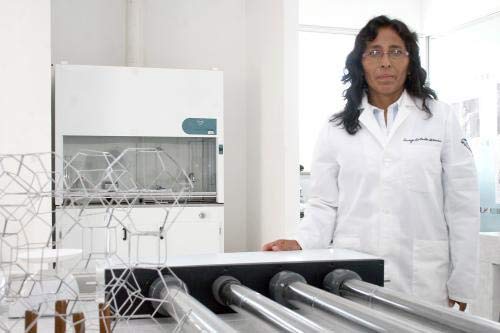
Solar Cooling System Preserves Food Without Electricity
Solar Cooling System Preserves Food Without Electricity
An eco-friendly and inexpensive cooling system developed by a Mexican researcher uses solar energy to maintain the temperature of food and water at nine degrees Celsius for three months.
Refrigeration systems have been in the spotlight ever since they were found to be polluting the atmosphere with chlorofluorocarbons (CFCs), causing depletion of the ozone layer. Since the 1970s, the negative impact of these compounds has been globally recognised and heavily regulated. Nevertheless, their use in refrigeration systems remains widespread, and will continue to do so until 2020 (2030 for developing countries), when all CFCs are due to be phased out, as agreed at a United Nations-sponsored Montreal summit.
It goes without saying that any technology capable of accelerating the process of completely phasing out these chemicals by providing an eco-friendly and affordable alternative is more than welcome. One such development comes from the Institute of Science at the University of Puebla (BUAP) in Mexico, led by researcher Susana Elvia Toledo Flores: a solar-powered, eco-friendly cooling system.
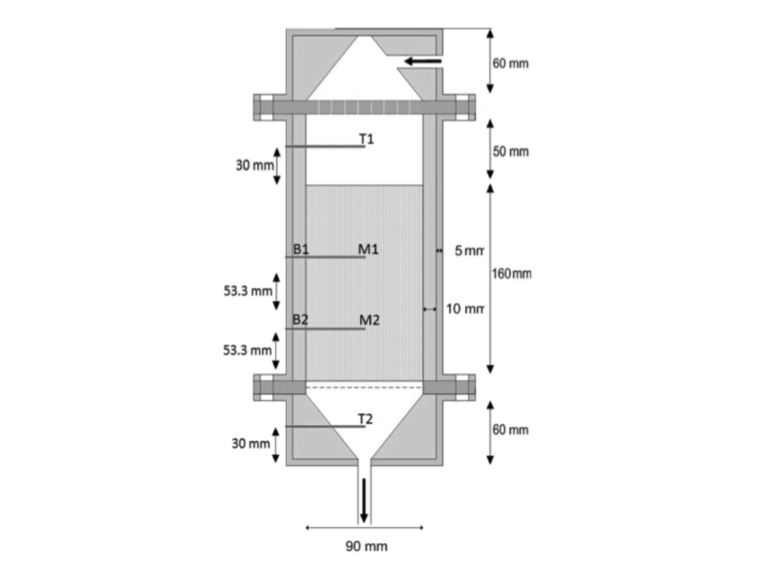
This inexpensive and easy-to-produce technology comprises very few components: a solar collector, an adsorbent bed, a condenser and an evaporator. The system also uses only the mineral zeolite, water and methanol.
It operates via a thermodynamic adsorption–desorption cycle. It utilises solar radiation, methanol (as a refrigerant) and the mineral zeolite (as an adsorbent). During the day, solar radiation heats the zeolite, raising the vapour pressure of the methanol, which causes the refrigerant to condense. This is then stored in a tank connected to the evaporator. At night, the temperature of the adsorbent bed drops, as does the refrigerant pressure, causing the methanol to evaporate whilst the adsorbent cools, thereby maintaining the temperature of the enclosed environment.
Flores has already developed a fully-functioning prototype, which was unveiled to the public for the first time last month at the International Congress of Solar Energy in Germany. It operates continuously 24 hours a day and can maintain a constant temperature of nine degrees Celsius for up to three months.
The next challenge facing the researcher is to get the system to cool down to five degrees. She believes that this inexpensive and eco-friendly technology will not only help communities with limited access to electricity to preserve their food and medical supplies, but could also function as an air-conditioner.
Image (c) BUAP
source: www.greenoptimistic.com