Articles and publications on the applications of Zeolite and Diatomite
-
-
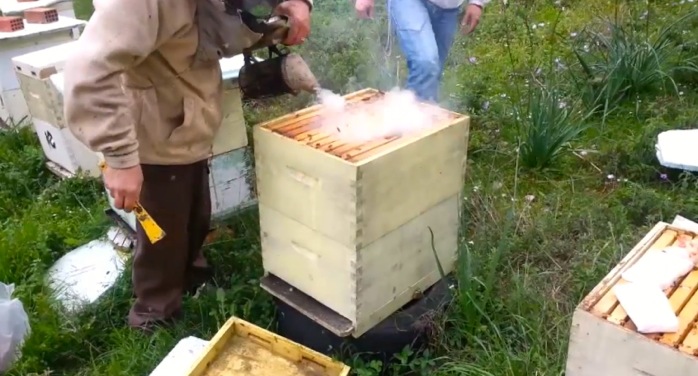
Use of zeolite in Ach. Zagka’s beehives in Corfu
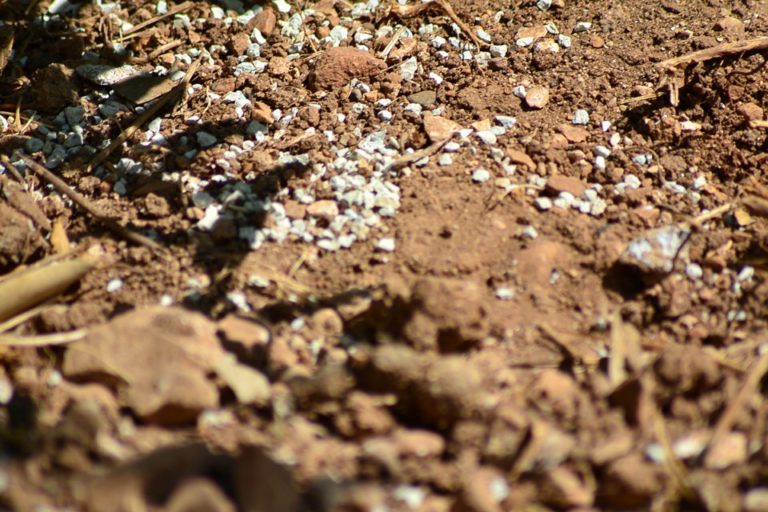
Mr Zagkas from Corfu applies zeolite with a particle size of 0.8 to 2.5 millimetres to the base of the beehive and 2.5–5 millimetres around the perimeter to prevent damp and ensure proper environmental management.
-
-
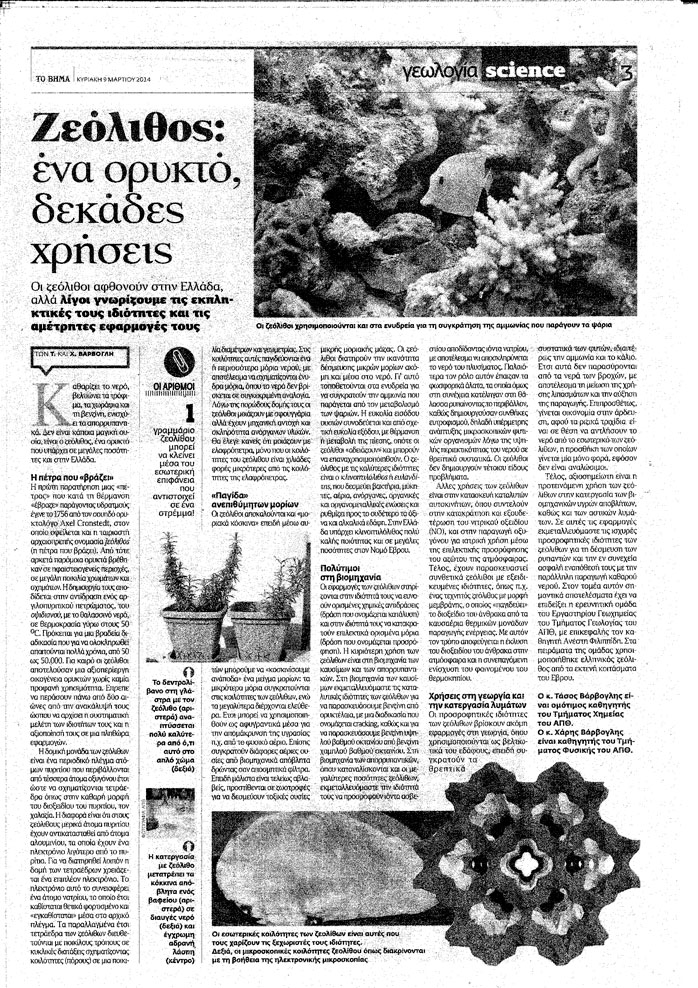
The strategic zeolite – Nikos Lygeros
Before all our people realise the value of Greek zeolite, they must understand that it is a strategic mineral resource not only for our region of Thrace but for our entire country. Zeolite is not merely a local matter, as some try to portray it. And the sedimentary variety – that is, the natural form…
-
Combating arsenic in the soil using zeolite – Nikos Lygeros
There are two main categories of arsenic: organic and inorganic. The latter is more toxic than the former. It is a compound of oxygen, chlorine or sulphur. Organic arsenic, on the other hand, is a compound of carbon or hydrogen. In this form, it is toxic in large doses but beneficial in small ones, as…
-
N. Lygeros: The zeolite strategy
The zeolite strategy not only showcases Greece’s mineral wealth but also provides alternative solutions to ensure our human rights are not trampled upon. Zeolite is friendly to people, animals and the environment, which means it also offers effective remediation. As it provides jobs for our own people in an area that needs them, it also…
-
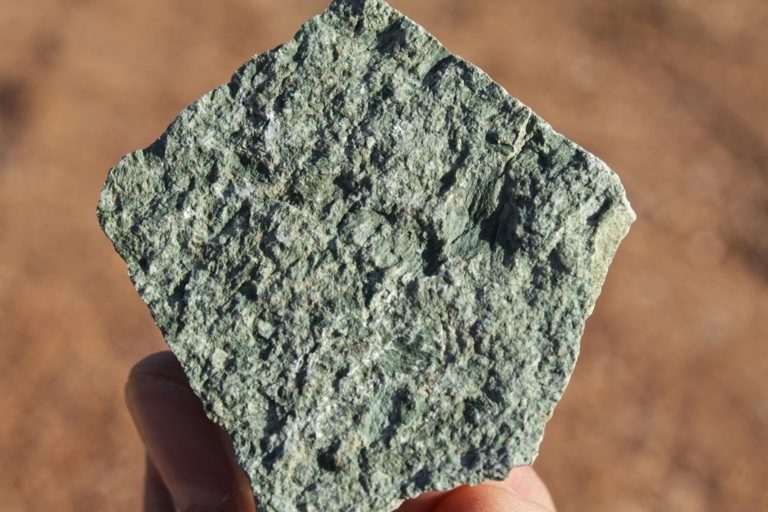
N. Lygeros – Incorporating zeolite into apple trees. Kastoria, 28 February 2014 [Video]
N. Lygeros – Incorporating zeolite into apple trees. Kastoria, 28/02/2014 Video Part A Video Part B Photos, Part A Photos Part B
-
Zeolite apple trees – Nikos Lygeros’s visit to L. Sidiropoulos’s farm in Akrolimni, Pella
Zeolite apple trees – Nikos Lygeros’s visit to L. Sidiropoulos’s farm in Akrolimni, Pella
-
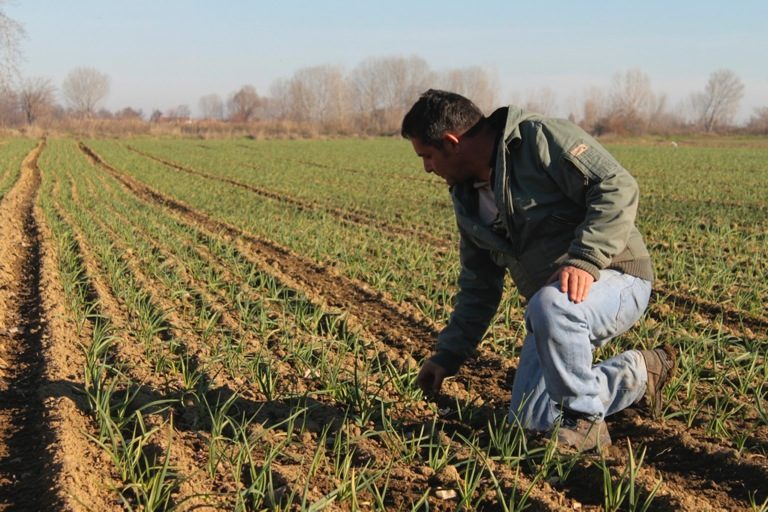
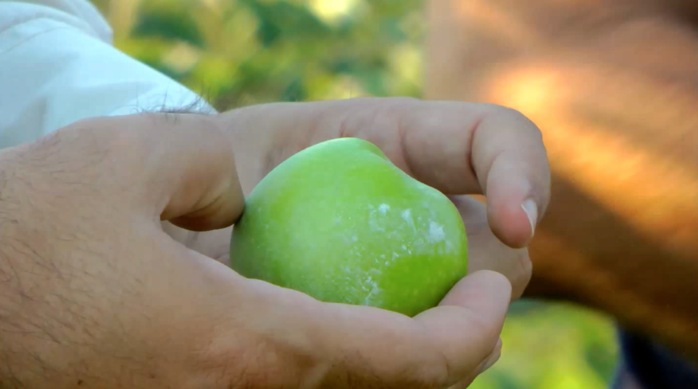
Incorporating zeolite into a vegetable patch and plant pots at Radio Evros in Orestiada [video]
Ενσωμάτωση ζεόλιθου σε λαχανόκηπο και γλάστρες στο ράδιο Έβρος στην Ορεστιάδα
-
Zeolite on a goat farm in Nea Orestiada [photos and video]
zeolite can be added to animal feed in powder form, at a rate of 2 per cent of their feed ration. It cleanses their digestive system of heavy metals, free radicals and toxins. Using 2–3 kilograms of zeolite per square metre on the floor of stables or other areas where animals are kept, it significantly reduces odours by absorbing and neutralising ammonia and hydrogen sulphide.
-
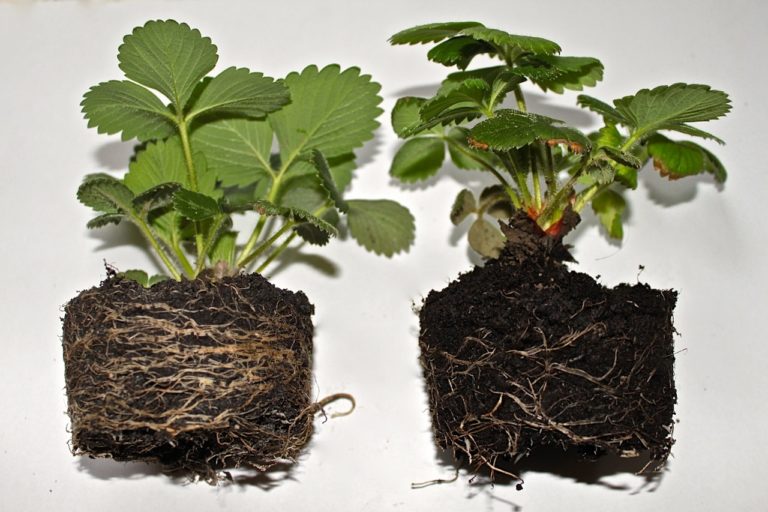
Continuation of the strawberry experiment
Below is the strawberry patch without zeolite
-
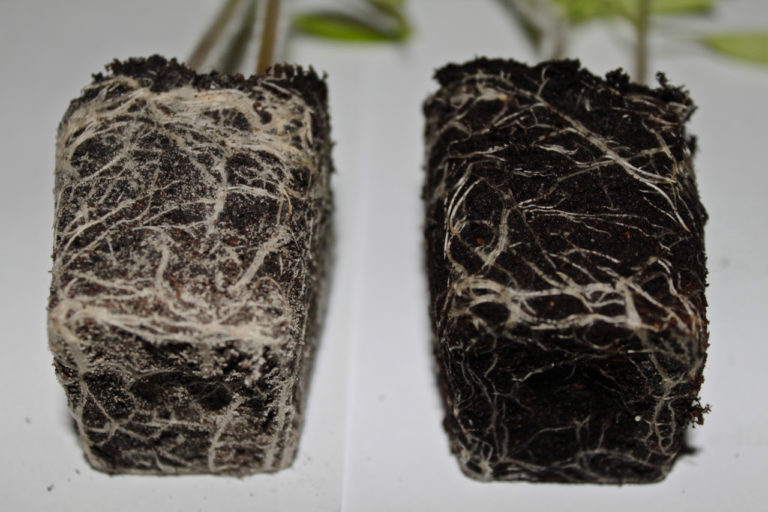
Spectacular results on the root system in an experiment with tomato plants using natural zeolite
EXPERIMENT We prepared the soil in the seedbed; in the first three rows, we added zeolite in a powder-like particle size of 0.8 millimetres at a concentration of 20 per cent We placed three seeds in each position We covered them with soil. We fitted the base and the top lid to create a warmer…
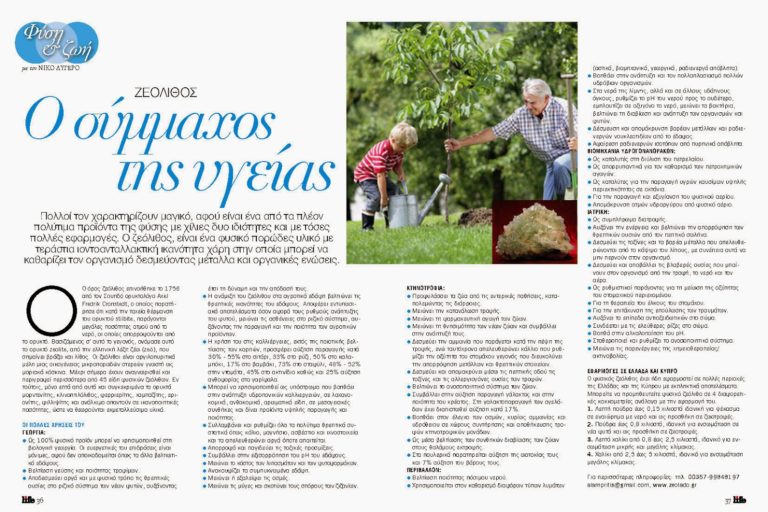
![N. Lygeros – Incorporating zeolite into apple trees. Kastoria, 28 February 2014 [Video]](https://zeolife.gr/wp-content/uploads/2014/03/zeolifegr-milies-2.jpg)
![Incorporating zeolite into a vegetable patch and plant pots at Radio Evros in Orestiada [video]](https://zeolife.gr/wp-content/uploads/2014/02/zeolifegr-radio-evros-kipos.jpg)
![Zeolite on a goat farm in Nea Orestiada [photos and video]](https://zeolife.gr/wp-content/uploads/2014/02/zeolithos-se-farma-katsikes-sti-nea-orestiada-768x421.jpg)