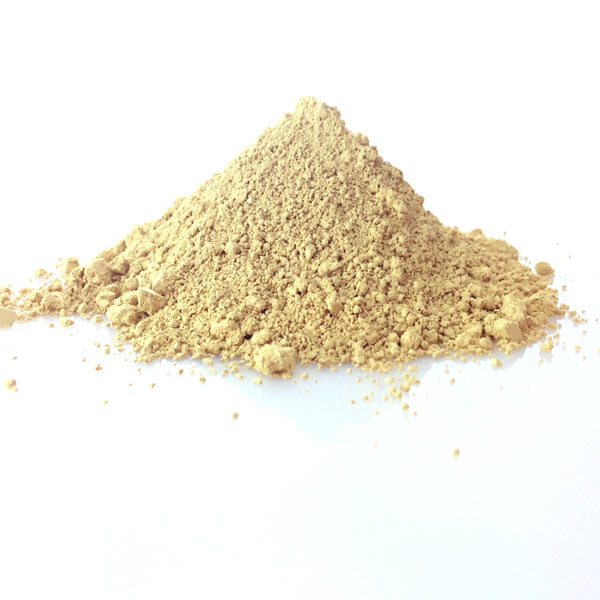

The history of Greek clay-rich Diatomaceous earth
Clay-rich diatomaceous earth – also known as diatomaceous earth – is a sedimentary rock formed from the fossilised shells of microscopic algae (diatoms). It is a porous, lightweight mineral rich in silicon dioxide, with a wide range of industrial and environmental applications.
In Greece, diatomaceous earth is often found mixed with fine-grained materials (clay and/or limestone components), which is why it is characterised as clay-rich diatomaceous earth. This article provides a documented account of the history of Greek diatomaceous earth, from its geological origin and the earliest mining operations to its modern uses and comparisons with international deposits.
Products from this article
 Against crawling insects · 500 gGreek clay diatomite – Very fine 20 micron powder – Natural insecticide for walking insects and mites – 500 grams★★★★ (5)5,90 €View →
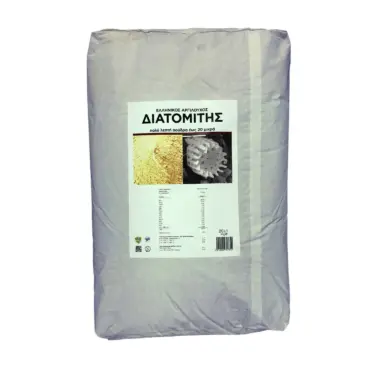 For storage and barns · 20 kgGreek clay diatomite – Very fine powder 20 microns – Natural insecticide for insects and mites – 20 kg★★★★★ (4)42,90 €View →
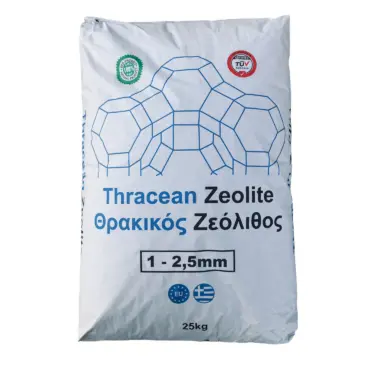 Fine gravel 1–2.5 mmGreek Thracian zeolite from 1 to 2.5 mm – fine gravel, ideal for incorporation in small scale crops and medium to heavy soil – 25 kg★★★★★ (1)16,90 €View →
![A vegetable garden with traditional seeds, using zeolite and diatomaceous earth, in Avanta, Alexandroupoli [Photos]](https://zeolife.gr/wp-content/uploads/2018/08/traditional-vegetable-garden-zeolite-diatomite-1-600px.jpg)

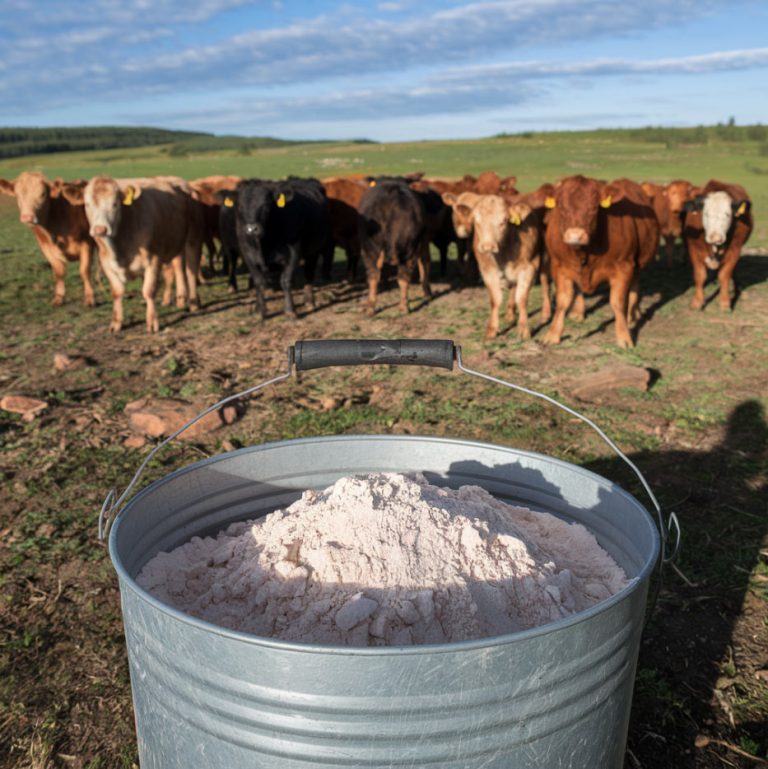
![Zeolite for broiler chickens in Ioannina [Video]](https://zeolife.gr/wp-content/uploads/2019/08/zeolite-broiler-chicken-1200x900px-768x576.jpg)
![zeolite in organic olive cultivation through incorporation [Video]](https://zeolife.gr/wp-content/uploads/2018/09/organic-olive-trees-zeolite-3-600px.jpg)