The Use of Zeolites in Agriculture – Frederick A. Mumpton
Frederick A. Mumpton, Department of Earth Sciences, State University College, Brockport, NY 14420
Introduction
As agriculturalists around the world step up their efforts to expand crop and livestock production, increasing attention is being paid to various mineral materials as soil amendments and as dietary supplements in animal husbandry. The close relationship between the agricultural and geological sciences is not new—crop production depends on the existence and maintenance of fertile soil, and agronomists rely on knowledge of the mineralogy and geochemistry of clays and other soil constituents. In animal sciences, the addition of crushed limestone to chicken feed to strengthen eggshells is well known, as is the use of bentonite as a binding agent in pelletised animal feed.
Recently, one group of minerals has emerged as having considerable potential in a wide variety of agricultural processes. This group of minerals is the zeolite group. The unique ion-exchange, dehydration–rehydration and adsorption properties of zeolite materials promise to contribute significantly to agricultural and aquaculture technology for many years to come (60).
Most of the early research into the use of zeolites in agriculture took place in the 1960s in Japan; Japanese farmers have been using zeolite rock for years to control the moisture content and odour of animal waste and to raise the pH of acidic volcanic soils. The addition of small amounts of the zeolites clinoptilolite and mordenite to the standard protein diet of pigs, chickens and ruminants resulted in noticeable increases in the body weight and general ‘health’ of the animals (52). The use of zeolites in feed rations also appeared to reduce odour and associated pollution problems, and to provide a means of regulating the viscosity and nitrogen retention of animal manure. These same zeolites were also found to increase the ammonium content of rice paddy soils when added alongside standard fertilisers.
Although most of these were preliminary results and were often published in rather obscure journals or reports from local experimental stations, they did suggest that zeolites could act as traps or reservoirs for nitrogen both within the body and in the soil. The growing awareness of such phenomena and of the availability of inexpensive natural zeolites in the western United States and in geologically similar parts of the world has aroused considerable commercial interest. Zeolites are rapidly becoming the subject of serious investigation in dozens of agricultural laboratories both here and abroad. Some of the ways in which zeolites can contribute to more efficient crop and livestock production are discussed below, along with their role in the rapidly expanding fields of fish breeding and aquaculture. At this stage, the number of published papers dealing with ‘zeo-agriculture’ is quite small, and hard data are scarce; however, the potential of these materials in such areas is evident, and zeolites show promise of contributing directly to increased agricultural productivity in the years to come.
Source: princeton.edu
Products from this article
Everything for farming in the shop →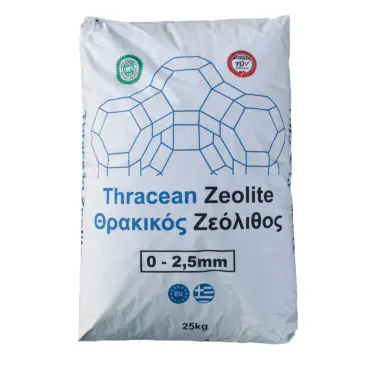 Holds water and nutrientsGreek Thracian zeolite from 0 to 2.5 millimeters – Powder and fine gravel, ideal for incorporation into small-scale crops and medium to light soil – 25 kg★★★★★ (1)16,90 €View →
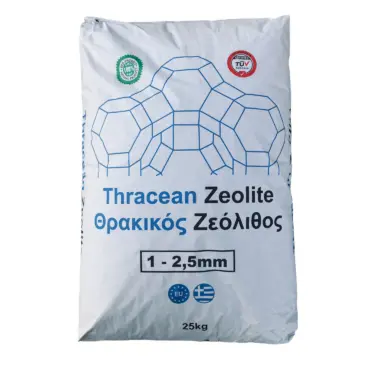 Fine gravel 1–2.5 mmGreek Thracian zeolite from 1 to 2.5 mm – fine gravel, ideal for incorporation in small scale crops and medium to heavy soil – 25 kg★★★★★ (1)16,90 €View →
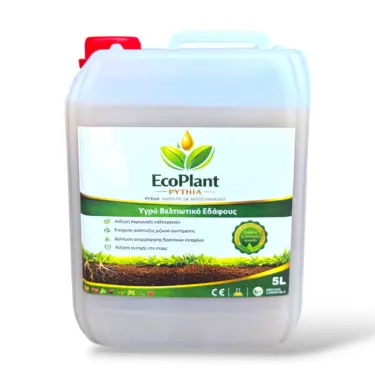 Foliar and root sprayEcoPlant® – Soil and Foliar Improver – 5 litres★★★★★ (3)


![Zeolite in organic olive trees in Mesimeri, Thessaloniki [Video]](https://zeolife.gr/wp-content/uploads/2017/07/viologika-eleodentra-256px.jpg)