Zeolites in wheat, following the processing of secondary cheese whey. [Study]
In the most recently published study by the University of Patras, the effectiveness of natural zeolite in removing ammonium ions from synthetic wastewater and from secondary whey was investigated.
Subsequently, the use of this zeolite as a fertiliser in wheat cultivation was investigated, given that zeolite can release bound nitrogen into the soil.
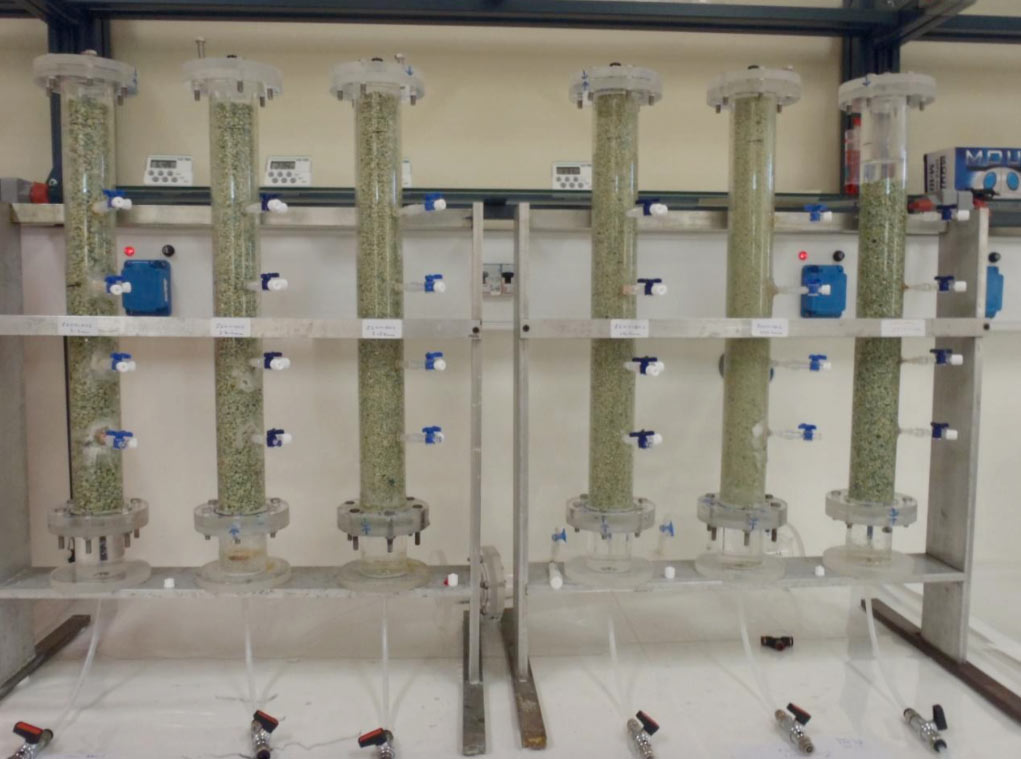
The results from the continuous-flow column experiments using synthetic leachate and zeolite (2.0–2.8 mm) showed that low flow rates (4 mL/min and 8 mL/min) did not significantly affect the zeolite’s adsorption capacity, whilst the maximum adsorption capacity of the zeolite reached 15.30 mg NH₄⁺ N/g.
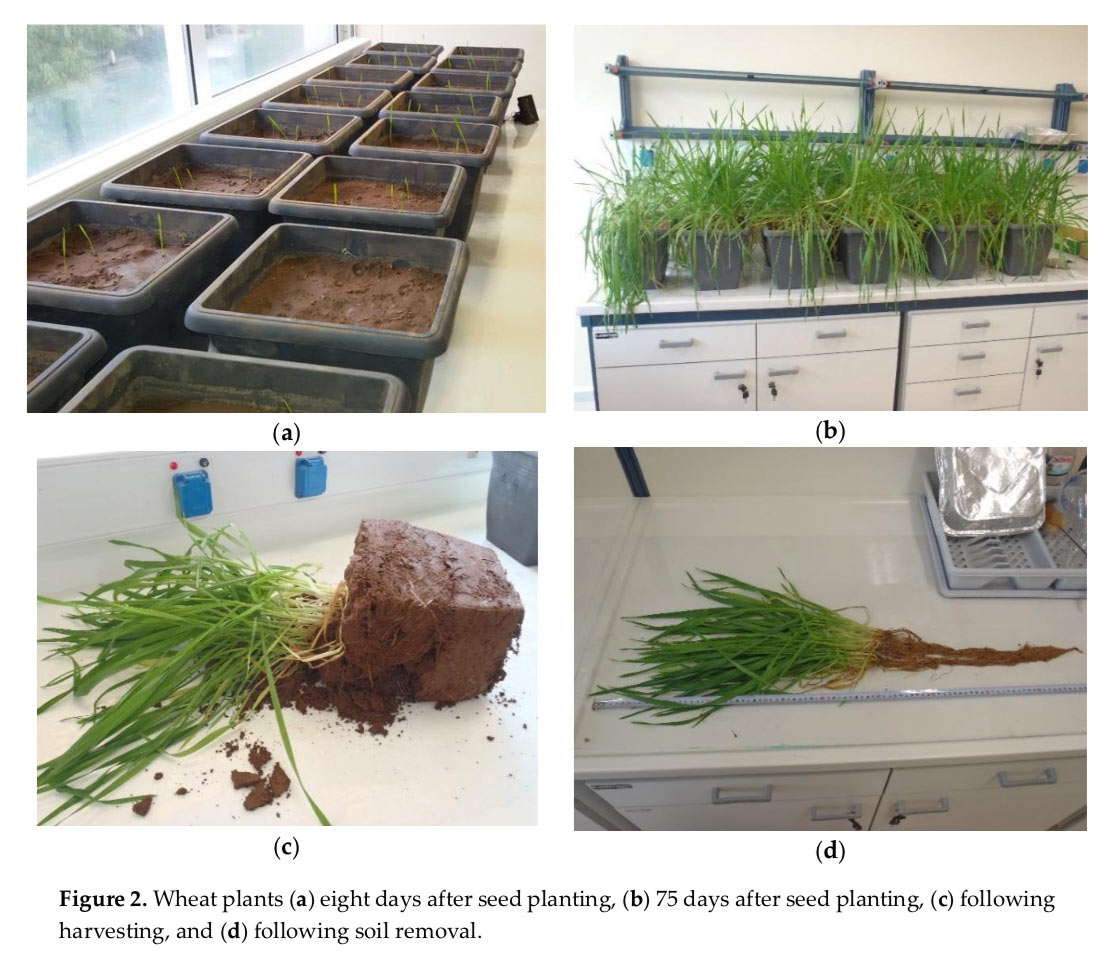
Subsequently, the application of this enriched zeolite was found to have a significant effect on the growth of wheat plants. Its application resulted in faster growth and higher biomass production.
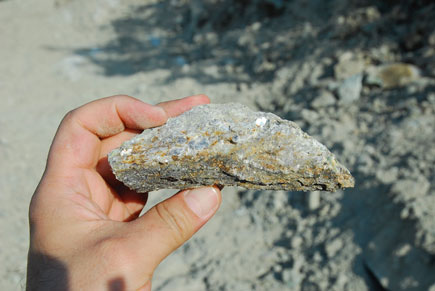
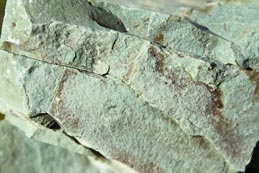
zeolite with a clinoptilolite content of at least 85 per cent, sourced from Kardzhali in Bulgaria and supplied by our company, was used.
Experiments and results with zeolite in wheat
The zeolite used in this study has a high cation exchange capacity and can therefore improve the soil’s cation exchange capacity and enhance the availability of nutrients elements around the plant roots.
In zeolite, nitrogen (N) is bound at the anion exchange site and is released at the appropriate time for uptake by the plants, which may lead to an increase in biomass yield.
To this end, various quantities of enriched zeolite were used to fertilise wheat seeds (Triticum spp.).
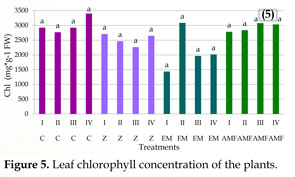
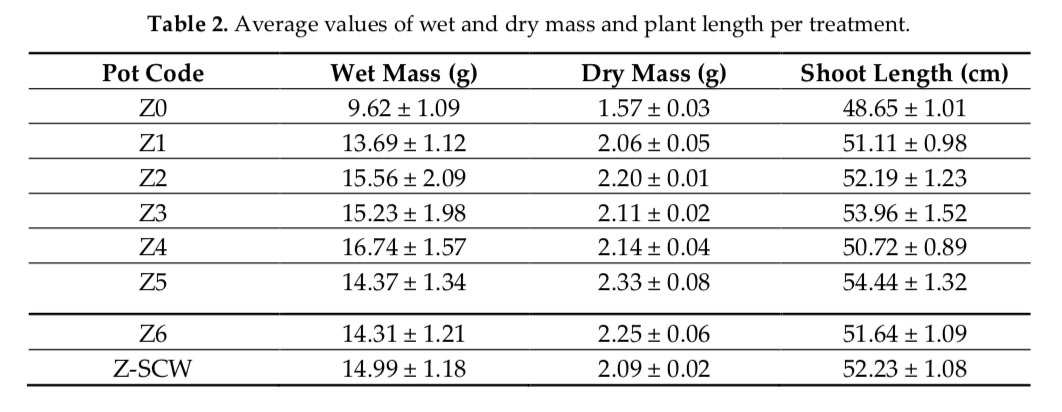
The fresh and dry weights of the biomass and the shoot lengths were measured and are presented in Table 2 below.
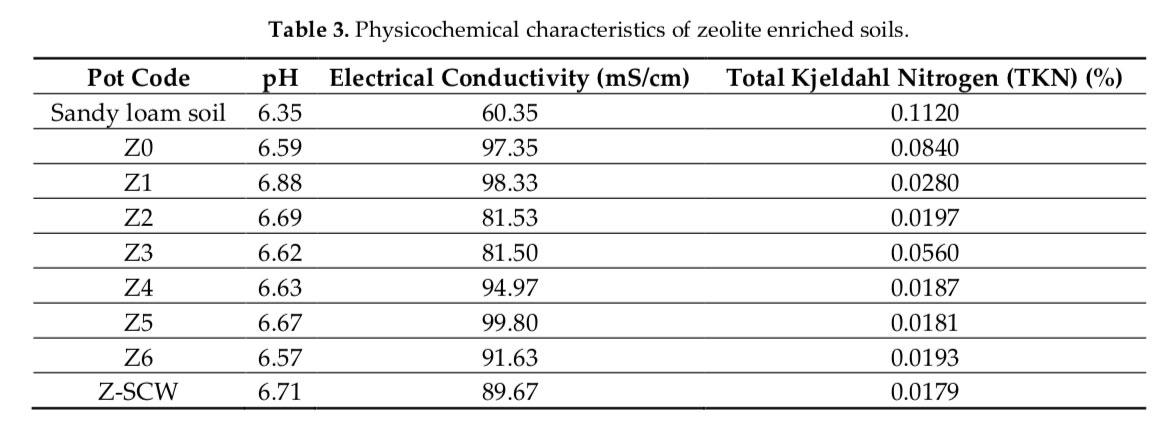
The results of the physicochemical characteristics of the enriched zeolite are presented in Table 3.
Conclusions
Although the soil pH values were not significantly affected by the zeolite, the soil EC values increased from 60.35 mS/cm to 99.80 mS/cm. This was attributed to the zeolite’s ability to retain cations and release them through salt exchange.
Accordingly, the saturated zeolite had a positive effect on the growth of wheat plants, as the dry weight of plants grown in soils treated with zeolite was significantly higher than that of plants grown in soils not treated with zeolite.
This study demonstrates that zeolite could retain a significant proportion of the nitrogen load from synthetic wastewater (SCW), which can then be used as a fertiliser.
Thus, the treatment of industrial effluent with zeolite can not only reduce pollutant loads, but also recover significant amounts of nutrients, which can be reused in other applications such as agriculture.
For details of the experiments and results relating to technical effluents and the treatment of secondary whey, please see a previous post on our website at this link: zeolite as a medium for ammonium recovery and secondary processing of cheese whey. [Study]
The technical specifications of the Zeolite used can be found on our website via this link: Zeolite from 2.5 to 5 millimetres
You can read more about zeolite in agriculture on our website via this link.
Read the study here
Products from this article
Everything for farming in the shop → Crop enhancerZeTe – Zeolite crop enhancer – for maximum performance and strength – 15Kg50,00 €View →
 Fine gravel 1–2.5 mmGreek Thracian zeolite from 1 to 2.5 mm – fine gravel, ideal for incorporation in small scale crops and medium to heavy soil – 25 kg★★★★★ (1)16,90 €View →
 Powder and fine gravel 0–2.5Greek Thracian zeolite from 0 to 2.5 millimeters – Powder and fine gravel, ideal for incorporation into small-scale crops and medium to light soil – 25 kg★★★★★ (1)16,90 €View →

![Zeolite in organic olive trees in Mesimeri, Thessaloniki [Video]](https://zeolife.gr/wp-content/uploads/2017/07/viologika-eleodentra-256px.jpg)
![Flowering and fruit set in organic olive trees using zeolite [Video]](https://zeolife.gr/wp-content/uploads/2018/05/zeolite-organic-olive-trees-600px.jpg)