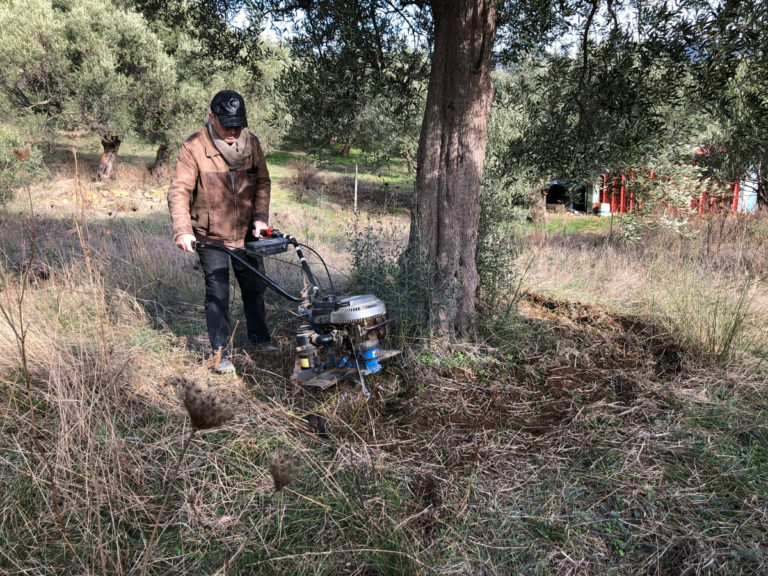

Zeolite against nematodes – N. Lygeros
Whilst everyone knows that the nematode is a scourge on agriculture, few farmers realise that it can be effectively controlled by incorporating zeolite. Conventional chemical control is not only costly but also has serious environmental consequences. Meanwhile, organic methods are not as effective. The problem is particularly acute with the following nematodes: Meloidogyne, Heterodera and Globodera. Many nematodes feed on bacteria, fungi and soil organisms, whilst others are parasitic and feed on animals or plants. Nematodes weaken plants and make them less resistant to other attacks. This can result, for example, in root rot. The problem is exacerbated in greenhouses where monoculture is practised. In such cases, it is important for farmers to know that clinoptilolite, a type of zeolite, has already been tested in Crete and the Peloponnese in various greenhouses and has proven effective against nematodes. It has already been applied to tomato and cucumber crops. Furthermore, zeolite can be combined with active microorganisms without any problems. There is therefore an effective method using zeolite that can help farmers by making plants more resistant to other pests.
source: lygeros.org
Products from this article
Everything for farming in the shop →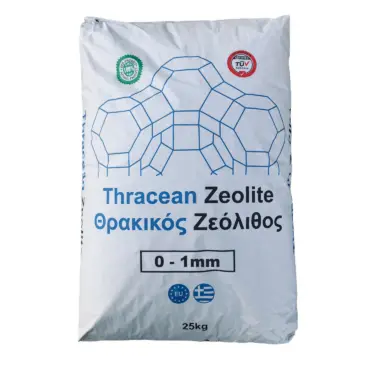 For vegetable gardensGreek Thracian zeolite up to 1 mm – powder, ideal for incorporation in very small scale crops and light soil – 25 kg16,90 €View →
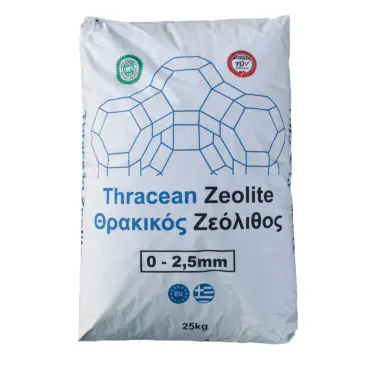 Powder and fine gravel 0–2.5Greek Thracian zeolite from 0 to 2.5 millimeters – Powder and fine gravel, ideal for incorporation into small-scale crops and medium to light soil – 25 kg★★★★★ (1)16,90 €View →
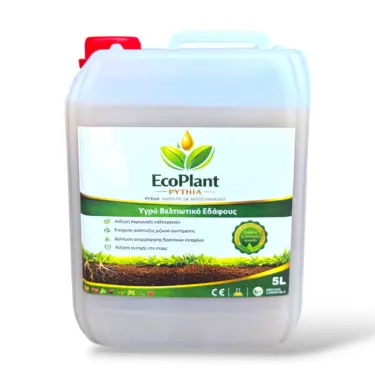 Foliar and root sprayEcoPlant® – Soil and Foliar Improver – 5 litres★★★★★ (3)