zeolite in hydroponics
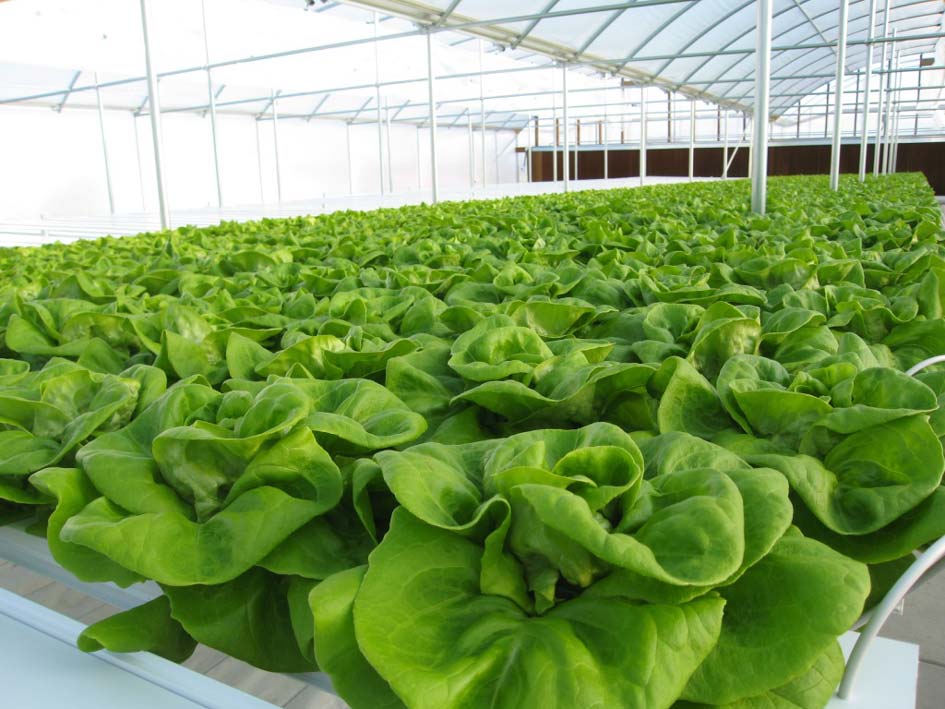
Hydroponics is an ancient method of growing crops that takes place without soil or earth. Non-aquatic plants grow with their roots in a completely inorganic medium, where they are fed with a nutrient solution. Put simply, the plants grow in water to which the necessary nutrients have been added. The plants’ roots float in the water or on a substrate of ‘pebbles’ through which water constantly flows.
In ancient Egypt, Mesopotamia, during the Aztec era, and even in the famous Hanging Gardens of Babylon, the method of hydroponics was used.
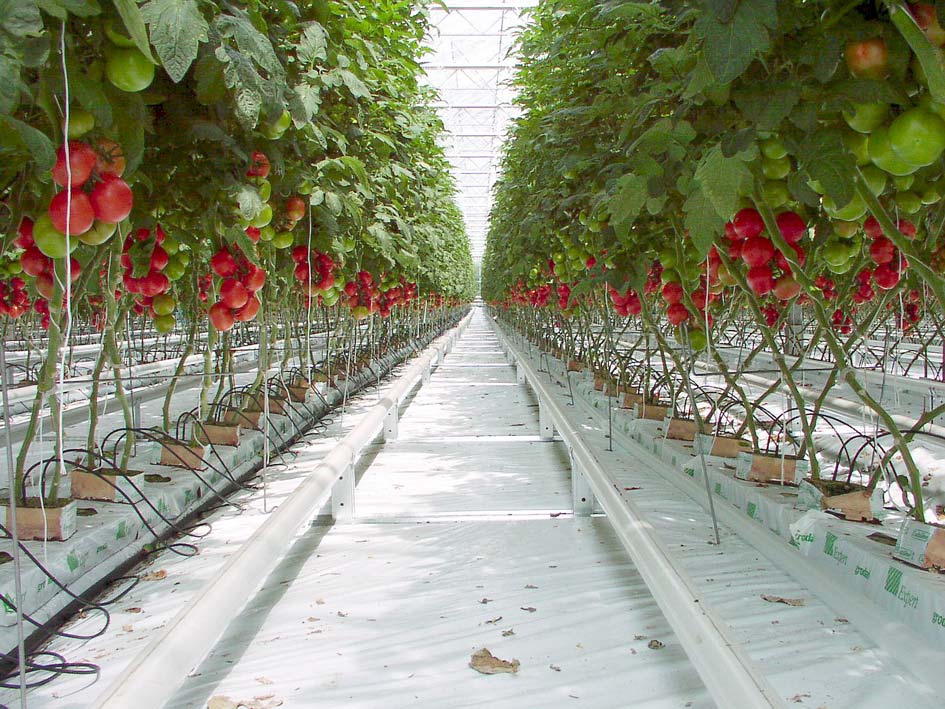
In modern times, hydroponics is steadily gaining ground, as it is now widely recognised as the most economical method in terms of water and nutrient consumption (fertilisers) by plants, thereby enabling production to be maximised. Costly processes such as searching for and acquiring land with suitable soil, soil preparation, and disease and weed control are drastically reduced. Furthermore, plants can be ‘planted’ much closer together, and the grower achieves a higher yield from a small area of land.
The connection between zeolite and NASA
In the 1990s, NASA (National Aeronautics and Space Administration) introduced the concept of zeoponics, which is a form of hydroponics based on zeolite. NASA created a growing medium consisting mainly of clinoptilolite, with the addition of dolomite and apatite, which was first used on the MIR space station. Zeoponic cultivation uses only this special zeolite growing medium and water. zeolite was used for its ion-exchange properties as well as for the retention and gradual release of nutrients to the plants. The first zeolite-based cultivation experiments carried out at the time involved radish roots and wheat. The successful method of zeoponics played a decisive role in the development and modification of hydroponic cultivation.
Natural zeolite is a soil-improving mineral formed through natural processes over millions of years, whilst its properties and applications are so significant that many describe it as miraculous. What makes it so valuable is that zeolite is one of the few natural materials that is negatively charged, with a crystalline structure containing countless empty sites. In other words, it has a negative electrical charge and therefore attracts positively charged particles, which are all the nutrients. In this way, it retains them and releases them gradually to the plants, contributing to their uniform nourishment and preventing these nutrients from being washed away from the plant’s root zone. As well as ions, zeolite can easily bind water molecules within its pores, up to 30 per cent of its weight. Geologists have, because of this property, characterised it as a water reservoir for plants. It also enriches the solution with calcium, magnesium, potassium and iron – elements contained within the zeolite – whilst at the same time bringing about a dramatic improvement in the plants’ root system. Alongside the increased retention of nutrients and the reduction in their loss, there is a 50 per cent reduction in the need for fertilisers, as the zeolite creates a renewable and balanced source of nutrients for the plants’ root systems, whilst eliminating the need for harmful and costly chemical treatments.
The unique properties of natural zeolite make it an excellent medium for plant growth and a solution to the major problems facing modern agriculture. Given the progress made in the development of hydroponics, there is no longer any doubt that zeolite-based growing media will be used extensively in the plant cultivation industry in the coming years.
Article by Nikos Lygeros on zeoponics
Products from this article
Everything for farming in the shop → Perlite for aerationPerlite for agricultural use – aeration and moisture retention – 100 litres★★★★★ (3)18,90 €View →
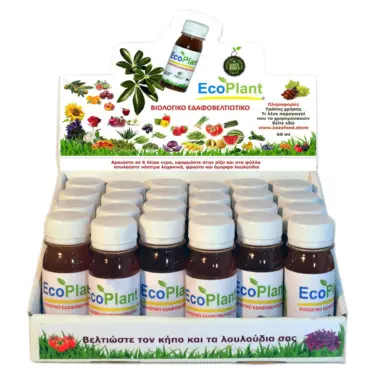 Foliar and root sprayEcoPlant® – Soil and Foliar Improver – 60 ml★★★★ (2)
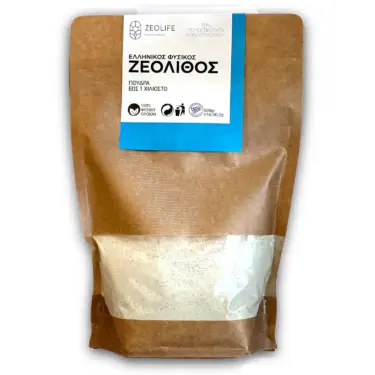 For potsGreek zeolite, up to 1 millimetre – powder, ideal for use in very small-scale cultivation and light soil – 500 grams3,40 €View →
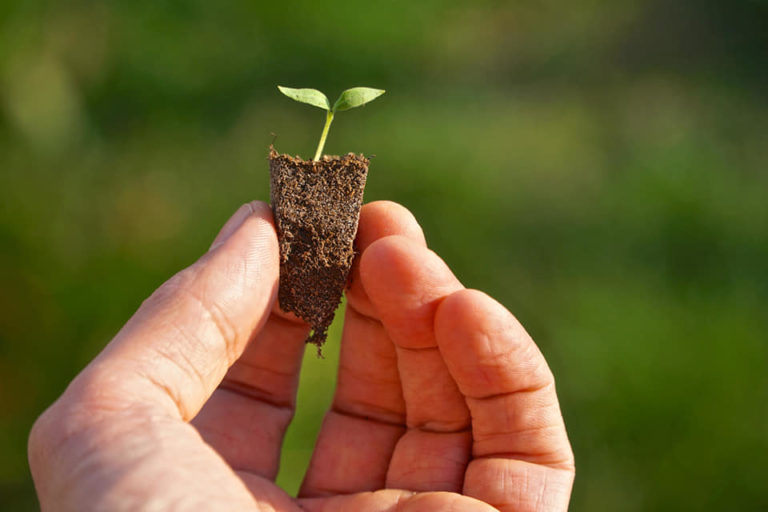

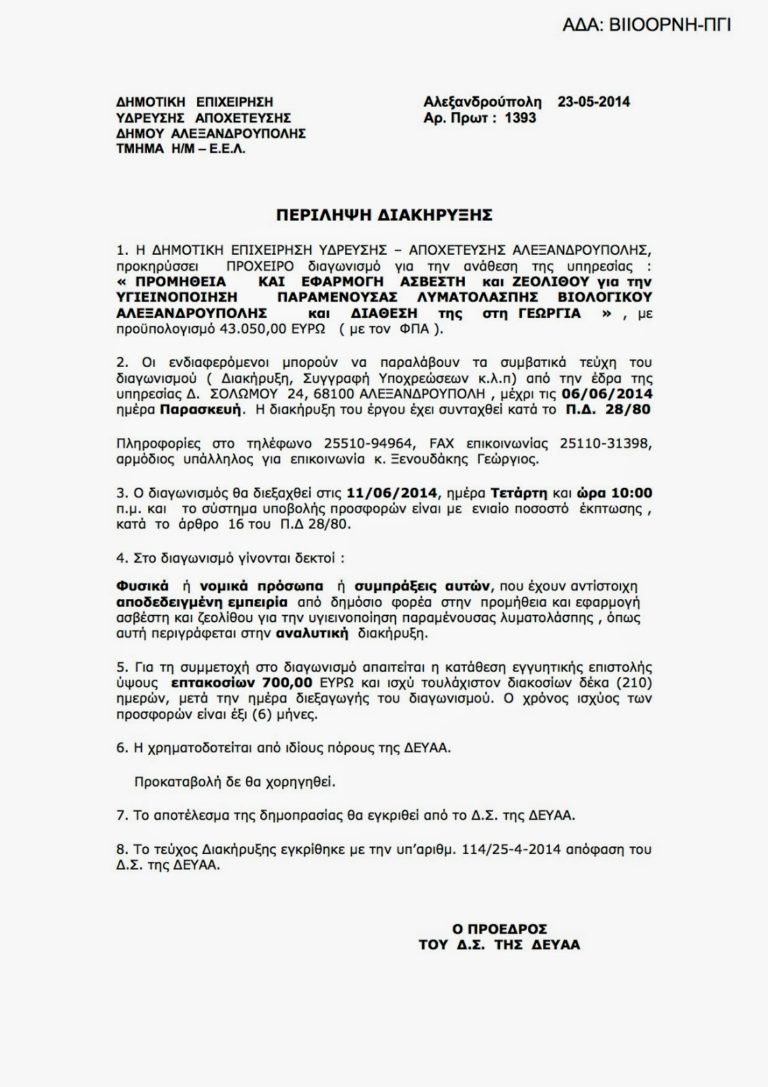
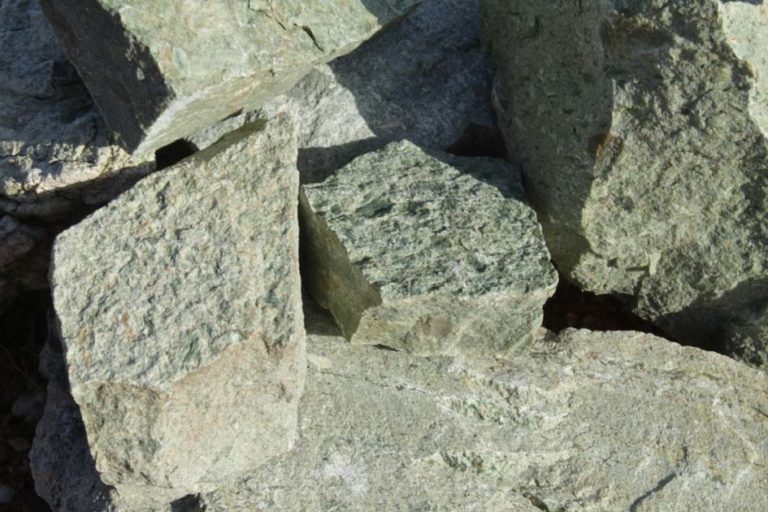
![A nursery using zeolite, Alexandroupoli [Photos]](https://zeolife.gr/wp-content/uploads/2014/04/fytorio-me-zeolitho-stin-alexandroupoli.jpg)