Brazilian sedimentary zeolite use in agriculture
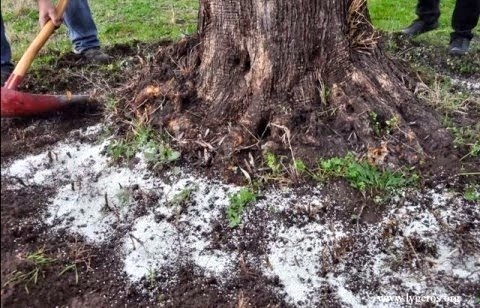
This report describes the characterization and application of the Brazilian zeolitic sedimentary rocks as a slow plant-nutrient fertilizer and soil conditioner. The characterization of the head samples showed that it is composed of the zeolite stilbite intertwined with a smectic clay mineral, mixed with quartz. A lowcost quartz separation gravitational technique was used to concentrate the mineral. An enrichment of concentrated natural zeolite was carried out by adding KNO3, K2HPO4 and H3PO4 + apatite.
These materials were tested with Rangpur lime rootstock and other with four successive crops grown on the same substrate: lettuce, tomato, rice, and Andropogon grass. The results indicated that N, P and K enriched zeolite was an adequate slow-release source of nutrients to plants increasing 20% of crop production and also improving products quality. Other green house and field experiments with concentrated zeolite applied with urea showed 8% of reduction on losses of ammonia volatilization and improving 5% the corn dry matter yield. Concentrated zeolite used as a sand soil amendment also increased at least 10% of soil water retention and 15% of available water capacity.
Τα προϊόντα του άρθρου
Όλα για τη γεωργία στο shop → Λεπτό χαλίκι 1–2,5 χιλ.Ελληνικός Θρακικός ζεόλιθος από 1 έως 2,5 χιλιοστά – λεπτό χαλίκι, ιδανικός για ενσωμάτωση σε καλλιέργειες μικρής κλίμακας και μέσο προς βαρύ έδαφος – 25 κιλά★★★★★ (1)16,90 €Δες →
 Ψεκασμός φύλλων και ρίζαςEcoPlant® – Βελτιωτικό για το έδαφος και τα φύλλα – 1 λίτρο★★★★½ (43)
 Κρατά νερό και θρεπτικάΕλληνικός Θρακικός ζεόλιθος από 0 έως 2,5 χιλιοστά – Πούδρα και λεπτό χαλίκι, ιδανικός για ενσωμάτωση σε καλλιέργειες μικρής κλίμακας και μέσο προς ελαφρύ έδαφος – 25 κιλά★★★★★ (1)16,90 €Δες →